


On this page
Turo lets hosts hand over a car without meeting the guest in two ways: remote-unlock technology, through the car maker's app or a third-party one, or a lockbox. Either way, confirm the guest's identity first. Turo still requires a physical key for the guest, kept out of sight in a signal-blocking pouch. Leave a key unsecured and Turo may not cover a theft.
What does Turo allow for a remote handoff?
Turo's host guidance is plain about it: there are two ways to give a guest access without meeting in person. One is remote-unlock technology. The other is a lockbox.
For remote unlock, Turo points to the locking built into many newer cars, reached through a manufacturer or third-party mobile app. It names the Mercedes-Benz app, FordPass, myHyundai, Kia Connect, Tesla, Toyota, HondaLink, MyMazda, My BMW and myChevrolet as examples, and says there are more.
There's one line hosts miss. Even with remote unlock, Turo requires you to provide the guest a physical key. Its guidance is to place the key out of sight inside a pouch that blocks the fob's signal, so the car stays locked until the verified guest gets there.
Where does Turo Go fit now?
Plenty of hosts still search for it. Turo launched Turo Go in 2018 as its own way for guests to unlock a car from the app. Turo's current host page on remote access, updated 2 October 2026, doesn't mention it. What it lists is the two methods above.
So if you're setting up a remote handoff today, plan around what that page describes: your car's own app, a third-party app, or a lockbox. If Turo Go was part of how you used to operate, this is the page to work from now.
What rules apply, whichever method you use?
Turo writes these as lockbox instructions, but the logic carries over to an app. Access follows verification, every time.
- Confirm who the guest is.Identity is confirmed as part of check-in. Nothing gets shared or unlocked before that.
- Send access in Turo messaging.Combination, unlock, instructions: all of it in the trip thread. Turo warns against scheduled messages, because a code can go out even when verification fails.
- Change the combination before every trip.Never reuse a code across reservations. Last week's guest shouldn't be able to open this week's car.
- Keep the fob in a signal-blocking pouch.In the lockbox, or hidden in the car if you unlock remotely. Ask the guest to keep it in the pouch too.
- Lock it up at the end.The guest checks out and tells you the key is back where it belongs. Then you lock, or reset the box.
Hi [name], thanks for checking in. Your license is verified, so here's your access: [the car is unlocked now / lockbox code 0000]. The key is in a small pouch [in the glovebox / in the lockbox]. Please keep it in the pouch whenever you're not driving. When you return, leave the key in the pouch and message me so I can lock up.
Where can the key never go?
This is the part that costs hosts money. Turo lists the places a key must never be left, and says that if you use one and the vehicle is stolen or damaged, it will not cover the claim.
- Wheel wells or tire tops.
- Gas caps, fuel doors or charging ports.
- Under the windshield wipers.
- Anywhere unsecured on the exterior, including bumpers and panel gaps.
- Doormats or planters at the pickup spot.
- Inside an unlocked car: the cup holder, the ignition or the seat.
Turo gives the reason in one sentence. When a key changes hands without a lockbox or remote unlock, Turo can't verify who accessed the vehicle, and that can affect claim eligibility. Hosts who don't transfer keys securely also risk having their earnings plan voided.
Remote unlock or a lockbox: which fits you?
Both are approved, and plenty of fleets run both. The honest comparison looks like this.
| Lockbox | Remote unlock | |
|---|---|---|
| Getting started | Buy it, mount it, done. Works on any car. | Depends on the car. A newer model may already have it in the maker's app. Otherwise it means a fitted device. |
| Each trip | Change the code, load the key, send the code after check-in. | Unlock after check-in. The key stays hidden in its pouch. |
| What can go wrong | A reused code, a box left open, a box someone can see. | No signal in a garage, an app subscription that lapsed, a flat 12-volt battery. |
| At airports | Visible boxes are out at LAX and PHX from Nov 15, 2026. None at all at the LAX Budget Lot. | Encouraged by Turo at LAX and PHX. |
If you deliver to an airport, read the LAX and PHX lockbox rules before you buy anything. And one location note from the same Turo page: in Australia, Turo tells hosts not to use window-mounted lockboxes at all.
What does this mean at your stage?
A remote handoff is a convenience on one car and a system on forty. Find yourself below.
Start with a lockbox, and do it properly.
It's the cheapest way to stop meeting every guest, and it works on any car. Starting on Turo helps: the verification step is built into check-in, so you learn the order of things. New code each trip, key in a pouch, code sent only after check-in.
Standardise before you scale the mess.
Three cars with three different handoffs is where codes get reused. Pick one method per car, write it in the listing notes, and make sure a co-host follows the same order: verify, then access.
Remote unlock earns its keep here.
At this size, driving to reset lockboxes is a job in itself. Remote unlock across the fleet takes that off the schedule. Keep a written fallback for the car that's parked somewhere with no signal.
You are the verification step.
On a direct rental nobody checks the license for you. Check it yourself, sign the agreement first, and only then send access. Keep the message thread and a record of when the car was opened.
Stop being the key.
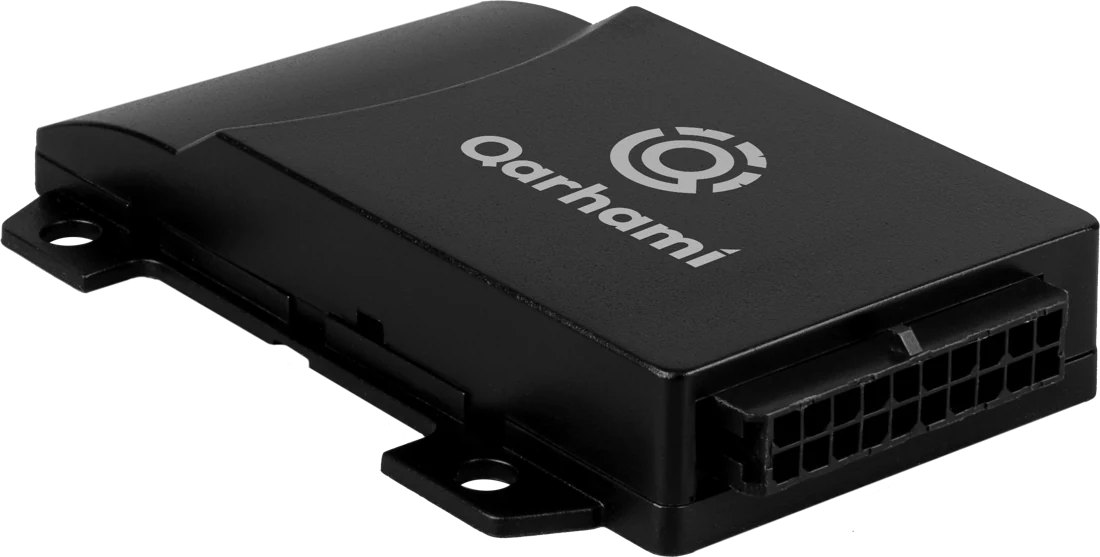
Qarhami is a trip-aware rental fleet operating system for Turo hosts and private rental operators. Qarhami Track is hardwired, and on a compatible, professionally installed vehicle it adds lock, unlock and horn from the app.
Shared Access turns that into a handoff. You create a link for one car with a start and an end time, and the guest uses it to find the car and unlock it, with no account and no shared login. Turo's rules still apply: verify the guest first, and leave the physical key hidden in its pouch.
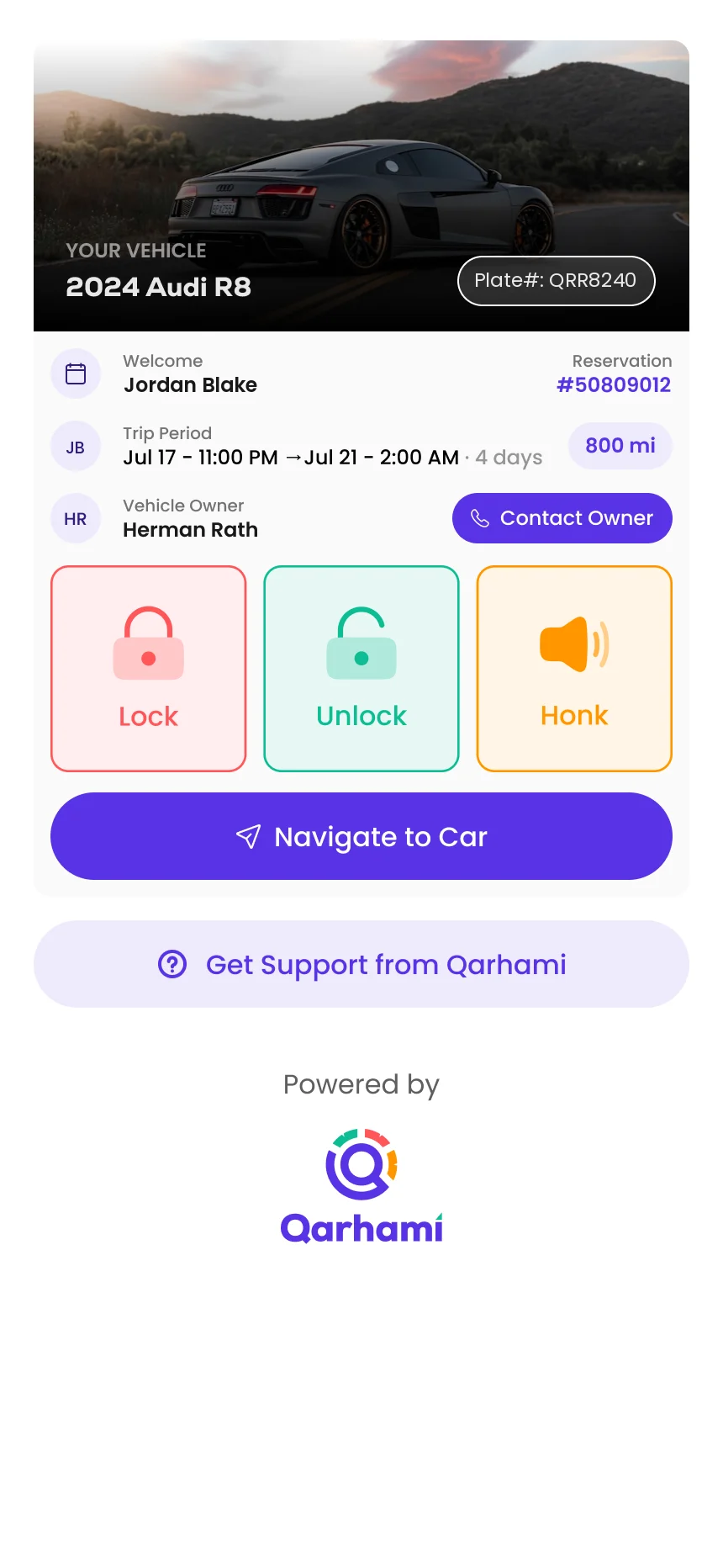
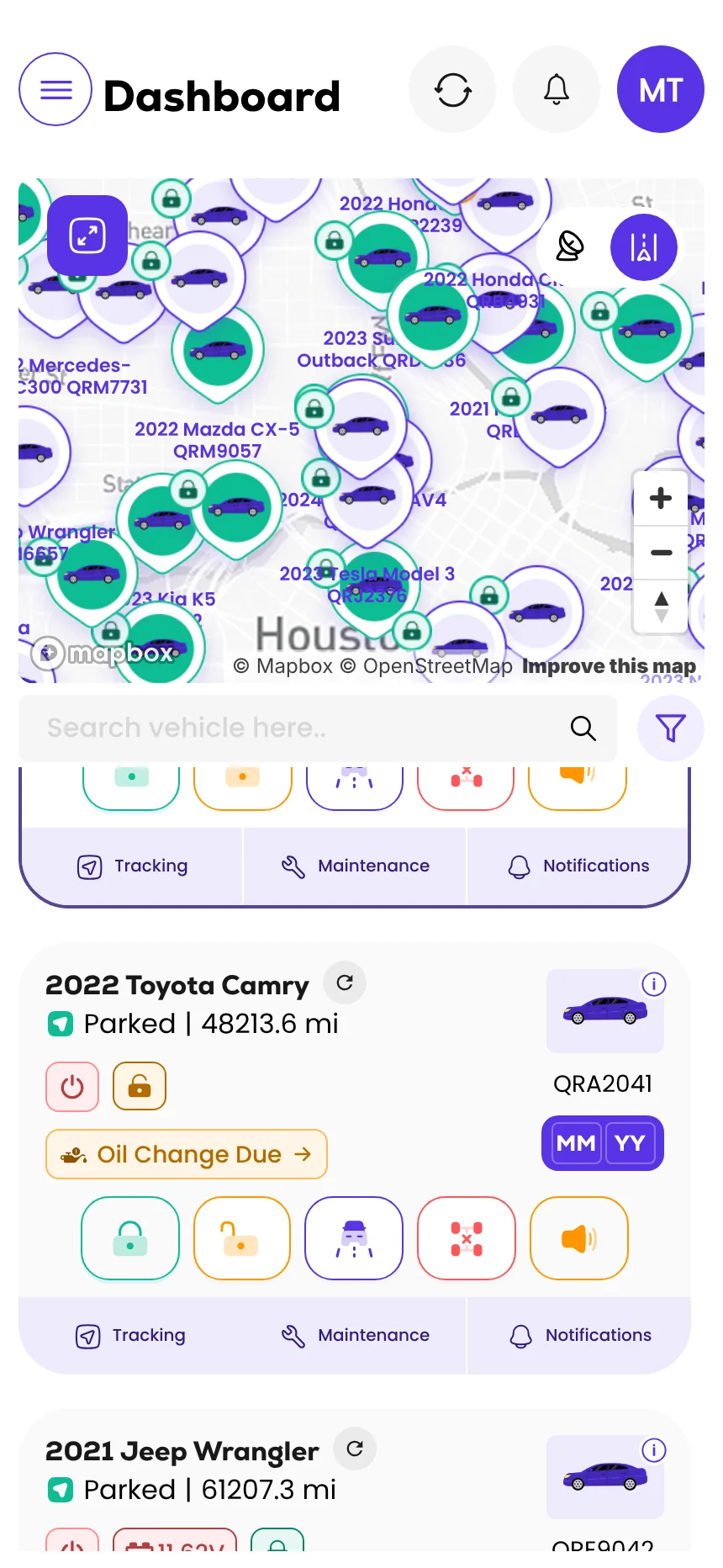
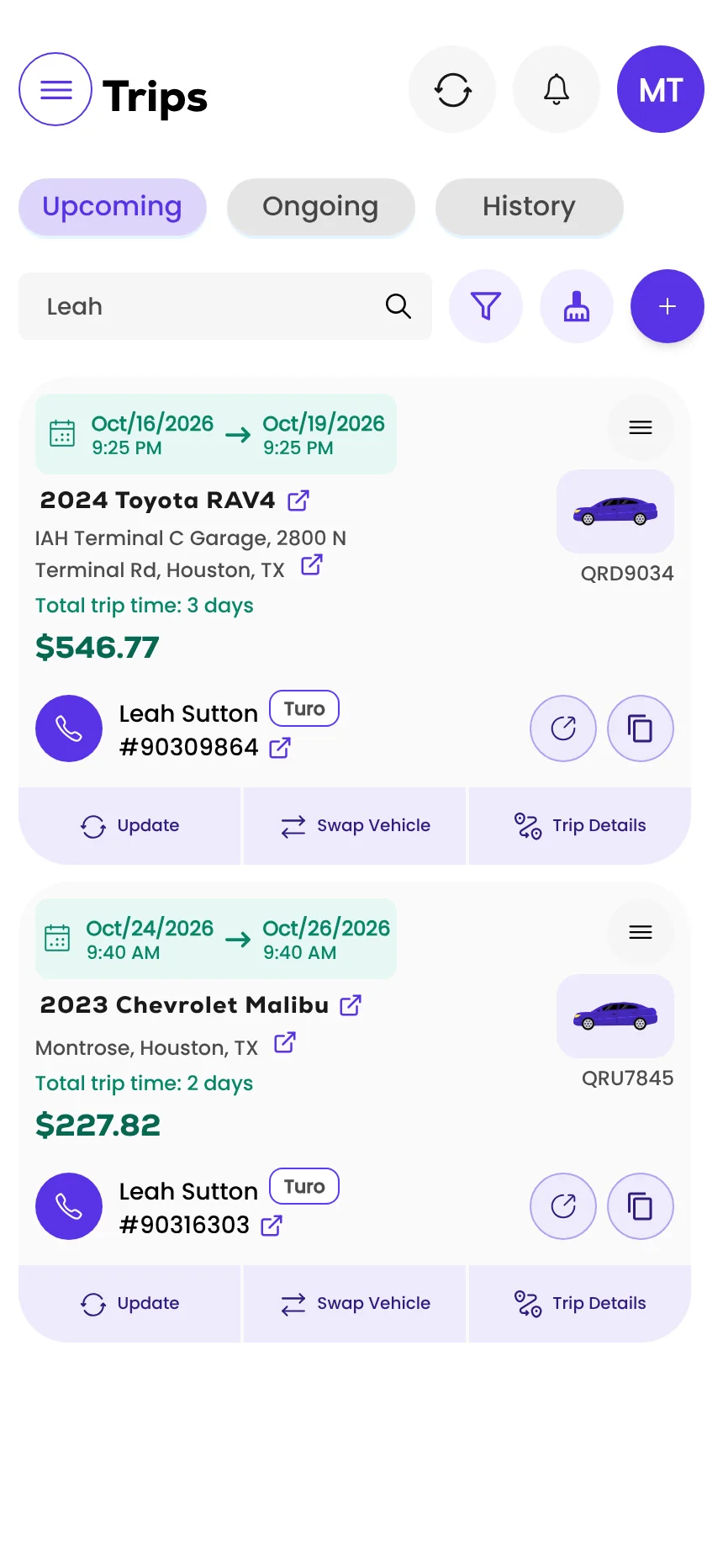
Screens from the Qarhami app running on demo data. Vehicles, guests and plates are fictional.
What changed since the last review?
- First published, from Turo's remote vehicle access page as updated 2 October 2026 and its LAX and PHX host pages.
Frequently asked questions
Does Turo allow remote unlock?
Yes. Turo's host guidance names two approved ways to give a guest access without meeting in person: remote-unlock technology through a manufacturer or third-party mobile app, or a lockbox.
Do I still have to give the guest a physical key?
Yes. Even when a host uses remote unlock, Turo requires the host to provide the guest a physical key. Turo's guidance is to place it out of sight inside a signal-blocking pouch so the vehicle stays locked until the verified guest arrives.
When can I send a lockbox code or unlock the car?
After you've confirmed the guest's identity as part of check-in. Turo says never to share a lockbox combination or unlock code before that, and to send it through Turo messaging rather than a scheduled message.
Where is it not OK to leave a key?
Turo lists wheel wells and tire tops, gas caps and charging ports, under windshield wipers, anywhere unsecured on the exterior, and doormats or planters at the pickup spot. It also says never to leave the vehicle unlocked with keys in the cup holder, the ignition or on the seat.
What happens if my key handoff isn't secure?
Turo says that if a key is left unsecured and the vehicle is stolen or damaged, it will not cover the claim. Hosts who don't transfer keys securely also risk having their earnings plan voided and losing eligibility for claims and reimbursement.
Is Turo Go still an option?
Turo launched Turo Go in 2018 as its own remote unlock feature. Turo's current host page on remote access, updated 2 October 2026, doesn't mention it. It lists manufacturer and third-party apps, and lockboxes.
What should you do this week?
- Write down the handoff method for each car, and check it's one of Turo's two approved ones.
- Put a signal-blocking pouch in every car and every lockbox.
- Save the access message, and send it only after check-in.
- Stop reusing lockbox codes. Change them before the next trip, not after a problem.
- If you deliver to LAX or PHX, check your lockbox against the November 15 rule.
Sources
- Turo: How to grant remote vehicle access to guests · updated 2 Oct 2026 · read 12 Nov 2026
- Turo: Los Angeles International Airport (LAX), hosts · updated 29 Oct 2026 · read 12 Nov 2026
- Turo: Phoenix Sky Harbor International Airport (PHX), hosts · updated 5 Nov 2026 · read 12 Nov 2026
- Turo: Introducing Turo Go · 2018 announcement · read 12 Nov 2026

Rental Operator Circle editorial. Rental Operator Circle is the operator-led publication for Turo hosts and private rental operators, powered by Qarhami. Policy guides are checked against the platform's own pages, dated, and reviewed by a working operator before they publish.
This guide explains platform policy. It is not legal advice. Spotted something out of date? Tell us at support@qarhami.com and we'll re-check it.