


On this page
An OBD tracker plugs into the car's diagnostic port in under a minute and moves between cars easily, but anyone can unplug it. A hardwired tracker is wired to the car's power and hidden, so it's much harder to remove, and it can support extras such as remote lock and unlock on compatible vehicles. Many rental fleets run both.
What's the actual difference?
Both types do the core job. Each has its own GPS and its own cellular connection, and each puts the car on your map. Where they part ways is how they get power, where they sit, and what happens when somebody would rather they weren't there.
Neither is the "better" tracker. They're good at different jobs, which is why the question is usually which car gets which.
| OBD plug-in | Hardwired | |
|---|---|---|
| Fitting it | Push it into the OBD-II port. Under a minute, no tools. | Wired in by an installer and tucked out of sight. |
| Where it sits | At the port, usually under the dash by the driver's knees. | Hidden. Nobody finds it by accident. |
| If someone wants it gone | It unplugs in seconds. Pair it with an unplug alert. | Much harder to find and remove. |
| Moving it to another car | Unplug, plug in, done. | A second install. |
| What it can add | Location, drives and trip history. | The same, plus wired functions such as lock and unlock on compatible vehicles. |
| Fits best | New arrivals, short-stay cars, cars you rotate. | Cars that are staying, higher-value cars, remote handoffs. |
When is OBD the right call?
When speed matters more than permanence. A car you bought on Tuesday can be listed on Wednesday with a tracker in it. So can a car you're testing for a season, or one you'd rather not have wiring touched on.
Know its weak point and plan for it. The port is where every mechanic, and every curious guest, expects to find something. A plug-in unit can be knocked loose by a knee or pulled on purpose, so treat an unplug alert as part of the device, and decide in advance what you do when one fires mid-trip.
When is hardwired worth the install?
When the car is staying. An install is a one-off cost in time, and it buys you a tracker that guests don't see and can't casually remove.
It's also the route to wired functions. On an aftermarket tracker, remote lock and unlock need a wired connection to the car's lock circuit, which is why they come with hardwired units. If you hand cars over at airports or without meeting guests, that changes the maths. Our guide to remote unlock and keyless handoffs covers what Turo expects.
Be realistic about the install. For Qarhami Track, an experienced installer needs about 30 to 45 minutes for the unit, plus about an hour if lock and unlock, horn or starter interrupt are being wired in. Use a professional. A rushed lock wiring job is the kind of saving you pay for later.
What does Turo say about tracker type?
Mostly, it doesn't pick for you. Turo allows hosts to fit trackers and is specific about a few things: AirTags can't be used as an active tracker, and higher-value cars in several markets need a named class of device.
One of those rules is about exactly this choice. In Australia, a car worth A$75,000 or more needs an activated GPS tracker that is not on the OBD-II port. Other markets name particular systems instead. Check the car against the tracker rules by country before you buy anything, and read why AirTags are out if one is still in a glovebox.
How do fleets mix the two?
The pattern most operators land on treats OBD as the first week and hardwired as the long term.
- Plug in on day one.The car is visible from its first trip, before any install is booked.
- Let the car earn its place.A month of bookings tells you whether it's staying.
- Hardwire it at the next service.The car's already off the road, so the install costs you no bookings.
- Move the OBD unit to the next arrival.A couple of plug-in units cover every new car you bring in.
- Record which device is on which car.Device, install date, installer, receipt. You'll want it at claim time and at resale.
What does this mean at your stage?
The right device for a first car isn't the right device for the fortieth. Find yourself below.
Start with a plug-in and learn what you need.
One car, one OBD unit, listed this week. Starting on Turo, you'll find out quickly whether your handoffs are in person or remote, and that decides whether hardwiring is worth it for you.
Hardwire the keepers, float the rest.
By now you know which cars are staying. Hardwire those, especially any you hand over without meeting the guest, and keep one or two OBD units for new arrivals.
Standardise, and schedule installs like services.
At this size a mixed bag of devices is its own problem. Pick a default per vehicle class, batch installs with maintenance days, and keep the device register current.
Hidden matters more when you're the only safety net.
On direct rentals there's no platform process behind you if a car goes quiet. A hidden, hardwired tracker is harder to defeat. Disclose tracking in the agreement the renter signs.
Two devices, one fleet view.
Qarhami is a trip-aware rental fleet operating system for Turo hosts and private rental operators. Qarhami Track is hardwired; Qarhami OBD plugs into the OBD-II port. Both report over their own cellular connection into the same app.
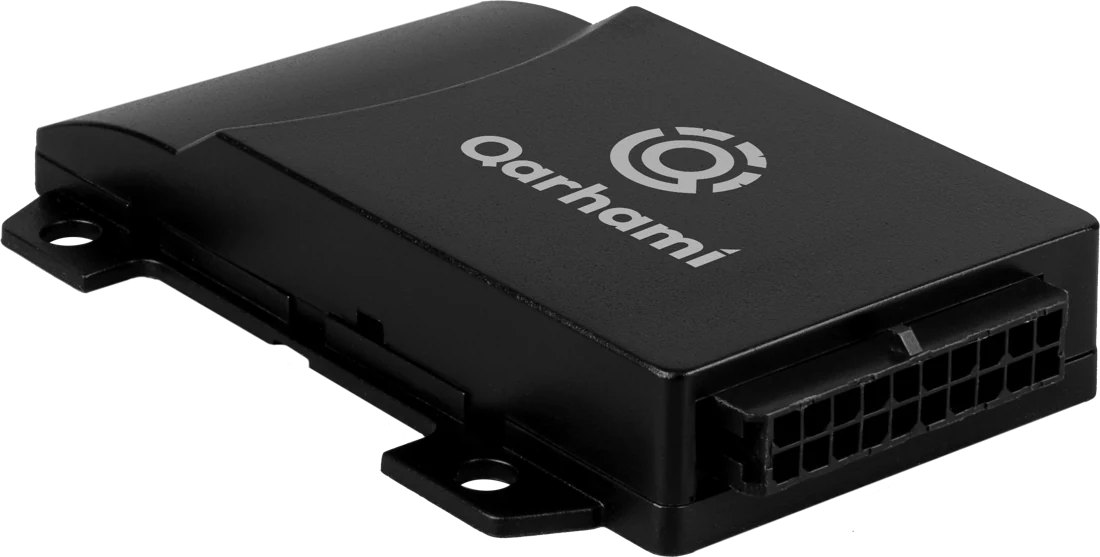
So a mixed fleet doesn't mean two systems. Remote lock, unlock and horn are on Track, on compatible vehicles with professional installation. Where Turo names a specific tracker class for a car, that named system still has to be running.
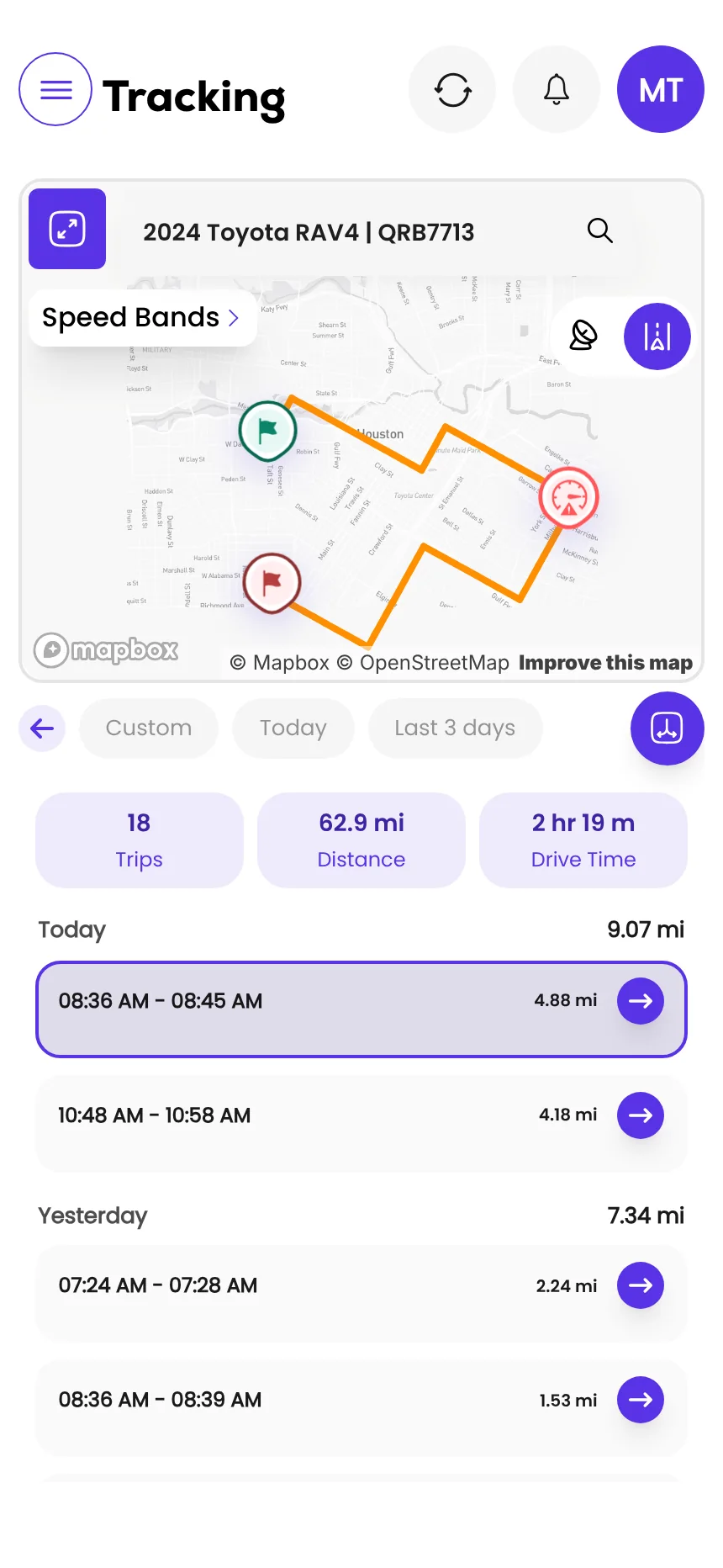
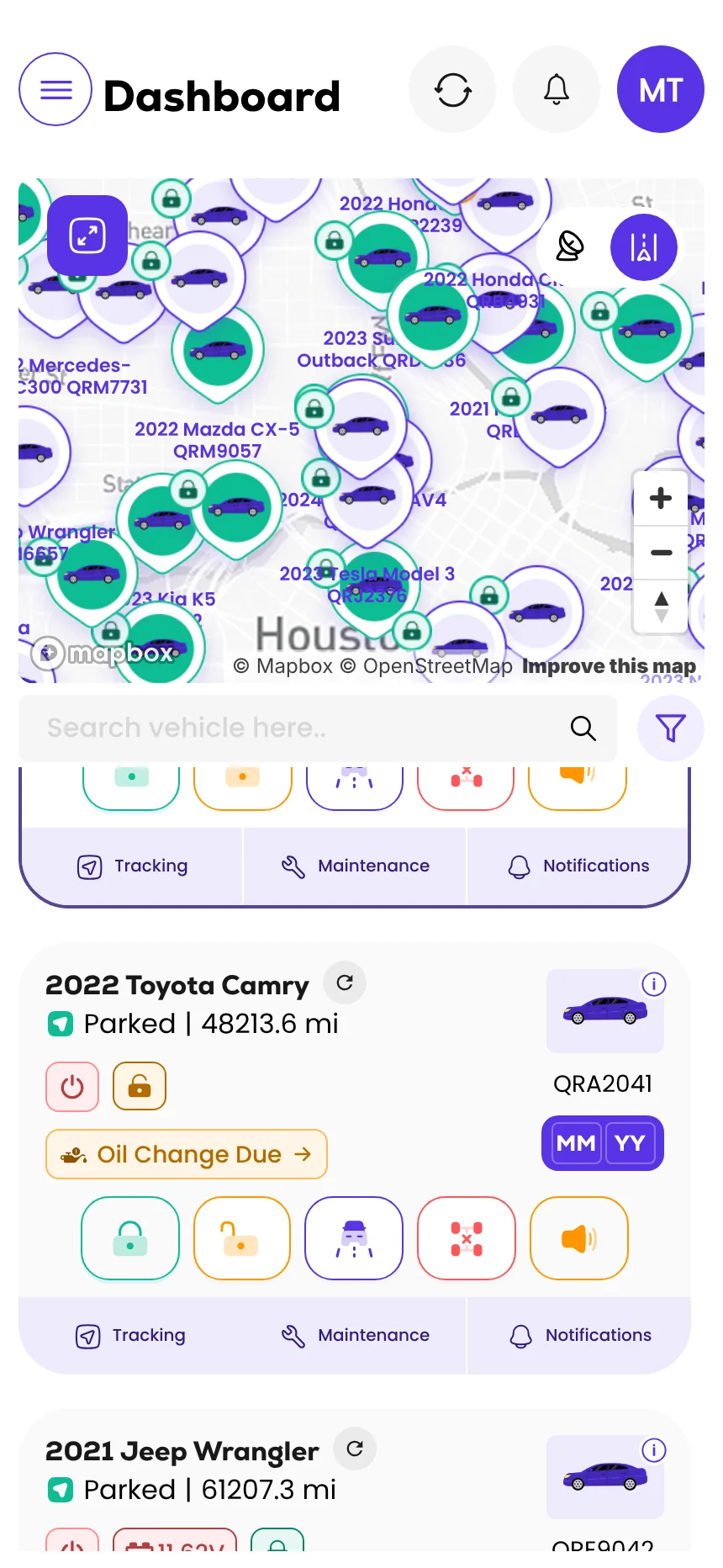
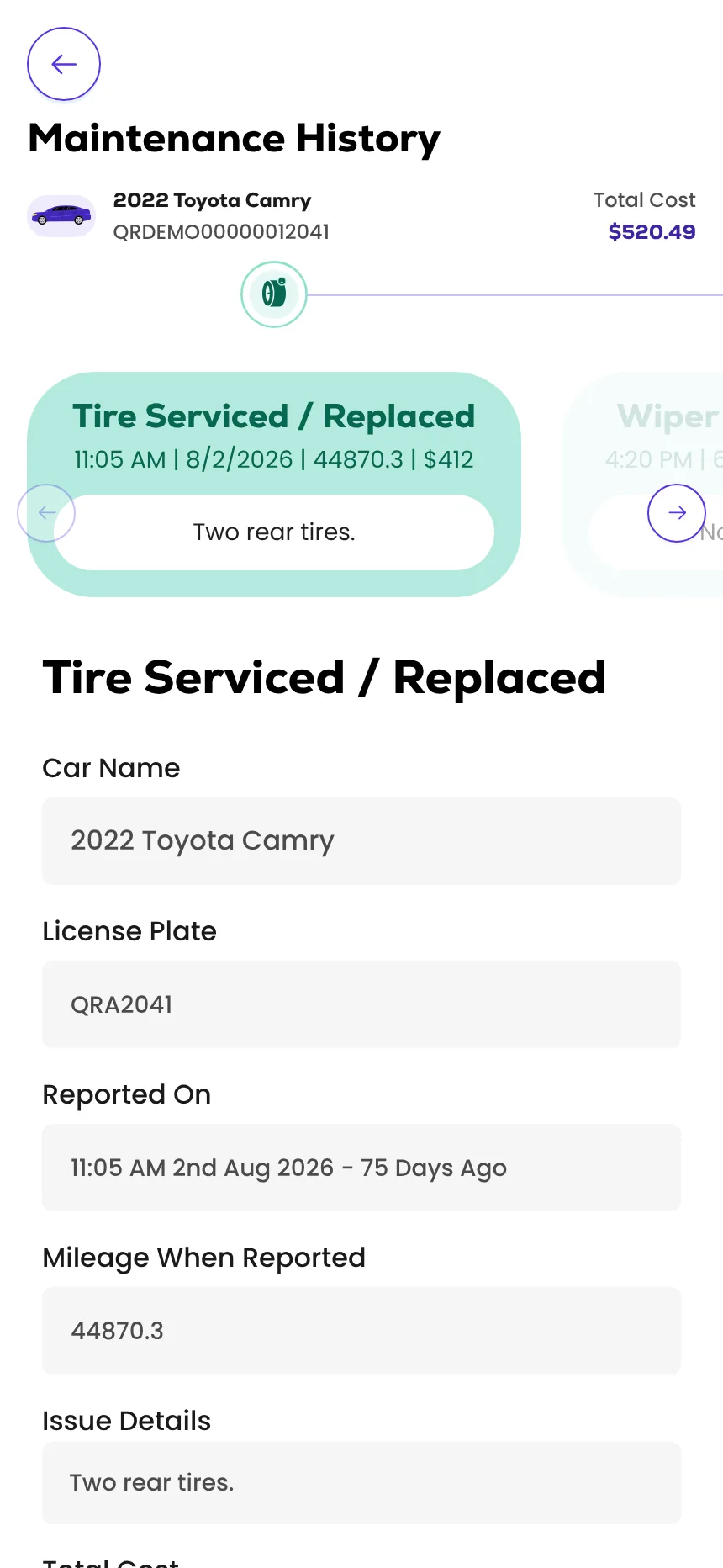
Screens from the Qarhami app running on demo data. Vehicles, guests and plates are fictional.
What changed since the last review?
- First published. Turo policy lines are from its vehicle tracking and technology policy as updated 12 October 2026.
Frequently asked questions
Is an OBD GPS tracker good enough for a Turo car?
For many cars, yes. An OBD tracker has its own GPS and cellular connection and takes under a minute to fit. Its weak point is that it can be unplugged, and in some markets Turo requires a specific class of tracker on higher-value cars that an OBD device doesn't meet.
Can a guest unplug an OBD tracker?
Yes. The OBD-II port is easy to reach on most cars, so a plug-in tracker can be removed in seconds, on purpose or by a knee. A hardwired tracker is hidden and wired to the car's power, which makes it much harder to remove.
How long does a hardwired install take?
For Qarhami Track, an experienced installer needs about 30 to 45 minutes for the unit itself, plus about an hour if lock and unlock, horn or starter interrupt are being wired in. Professional installation is recommended.
Does Turo require a hardwired tracker?
Not as a general rule. Turo allows hosts to fit trackers and names specific requirements by market. In Australia, a car worth A$75,000 or more needs an activated GPS tracker that is not on the OBD-II port. Other markets name particular systems for higher-value cars.
Can Qarhami OBD lock and unlock a car?
No. Remote lock, unlock and horn are on Qarhami Track, the hardwired unit, and depend on vehicle compatibility and professional installation. Qarhami OBD is the plug-in tracker.
Should I run both types?
Many fleets do. A common pattern is to plug in an OBD unit the day a car joins, hardwire it once the car has earned its place, and move the OBD unit to the next arrival.
What should you do this week?
- List your cars and mark each one: staying, testing or rotating.
- Check any car above your market's value line against Turo's tracker rules.
- Book installs for the keepers alongside their next service.
- If your OBD unit offers an unplug alert, switch it on.
- Start a device register: car, device, install date, installer, receipt.
Sources
- Turo: Vehicle tracking and technology policy (hosts) · updated 12 Oct 2026 · read 12 Nov 2026
- Turo: How to grant remote vehicle access to guests · updated 2 Oct 2026 · read 12 Nov 2026
- Qarhami: Track and OBD · install times from the Qarhami Track installation guide

Rental Operator Circle editorial. Rental Operator Circle is the operator-led publication for Turo hosts and private rental operators, powered by Qarhami. Policy guides are checked against the platform's own pages, dated, and reviewed by a working operator before they publish.
This guide explains platform policy. It is not legal advice. Spotted something out of date? Tell us at support@qarhami.com and we'll re-check it.