


On this page
Maintain a rental car by the mile, not by the month. Do a five-minute check at every turnaround: tires, fluids, lights, warning lamps and wipers. Service by the mileage intervals in the owner's manual, which arrive far sooner on a rental. And log every job with its date, odometer reading, cost and receipt.
Why do rental cars wear differently?
Because they never sit. A personal car might cover 12,000 miles in a year. A rental with 200 included miles a day and steady bookings can pass 5,000 in a month, driven by people who don't own it and won't be there when the brake pads finish.
That's why the calendar lies to you. "Serviced in March" tells you nothing in June. The odometer does. Everything below hangs off that one idea: report it, fix it, log it against the mileage, and set the next reminder while you're still holding the receipt.
What should you check at every turnaround?
These five take about as long as wiping down the dash, and they cover most of what leaves a guest stranded.
- Tires.Pressure on all four, then a walk-round for nails, bulges and uneven wear. Check the spare or the inflator kit is still in the car.
- Fluids.Oil level, coolant, washer fluid. A guest who runs out of washer fluid in a storm remembers it in the review.
- Lights.Headlights, brake lights, indicators, plate light. Use a wall or a window if you're alone.
- Warning lamps.Ignition on, see what stays lit. A check-engine light you ignore becomes the next guest's problem, and then yours.
- Wipers and glass.Streaks mean new blades. Chips get fixed before they turn into cracks.
Found something? Write it down against the car before you do anything else, even if you're fixing it in ten minutes. A fix nobody recorded didn't happen as far as a claim is concerned.
What gets done by mileage?
These are typical ranges, so you know roughly what's coming. The owner's manual has the real numbers for each car, and rental use usually counts as its severe-service schedule.
| Job | Typical interval | What it means on a rental |
|---|---|---|
| Oil and filter | 5,000 to 10,000 miles, by oil type and maker | Every one to two months on a busy car. Set the reminder in miles. |
| Tire rotation | 5,000 to 7,500 miles | Pair it with the oil change so it isn't forgotten. |
| Tire replacement | Legal minimum is 2/32 in in most US states | Many operators replace at 4/32 in. Wet grip goes first. |
| Brakes | Inspect at every rotation | Guests brake harder than owners. Pads go sooner than you'd expect. |
| Engine and cabin air filters | 15,000 to 30,000 miles | A fresh cabin filter is also the cheapest fix for a stale-smelling car. |
| Wiper blades | 6 to 12 months | Sooner in hot climates. Replace on streaks, not on schedule. |
| Battery | Test yearly after year three | Short trips and long sits are hard on it. Test before summer and before winter. |
Knowing how fast your cars pile on miles helps here. If you haven't looked at what your included miles do to the odometer, our guide to Turo mileage limits has the numbers.
What records are worth keeping?
The ones you'd want in front of you during a dispute. For every job, on every car:
- Date and odometer reading. Both. One without the other is half a record.
- What was done. "Front pads and rotors", not "brakes".
- What it cost. So you know what each car really earns.
- The receipt, or a photo of it, attached to the record and not loose in a glovebox.
- When the next one is due, in miles, a date, or whichever comes first.
Good records do three jobs. They show a claims handler the car was looked after. They answer a guest who says the tires were bald. And they're worth real money when you sell the car to someone who wants to see its history.
What does this mean at your stage?
One car's maintenance fits in your head. Thirty cars' doesn't. Find yourself below.
Build the habit on car one.
A note on your phone is enough: date, miles, what you did. Starting on Turo, you'll see quickly how fast the miles arrive. Do the five-minute check at every turnaround until you can't not do it.
Stop trusting your memory.
Somewhere between three and five cars, you'll forget which one had its oil done. Move to one record per vehicle and set the next reminder the moment you log a job.
Batch the work, and make reporting anyone's job.
At this size cleaners and co-hosts see problems before you do. Give them a way to report against the car, batch services by location, and review cost per vehicle every month.
Your records are your defence.
With no platform behind you, the service history is what you show an insurer or a renter. Keep it complete, and note the odometer at every handover in the agreement.
Report. Resolve. Repeat.
Qarhami is a trip-aware rental fleet operating system for Turo hosts and private rental operators. Maintenance sits on each car's card, with three choices: report an issue, log a completed service, or view the service history.
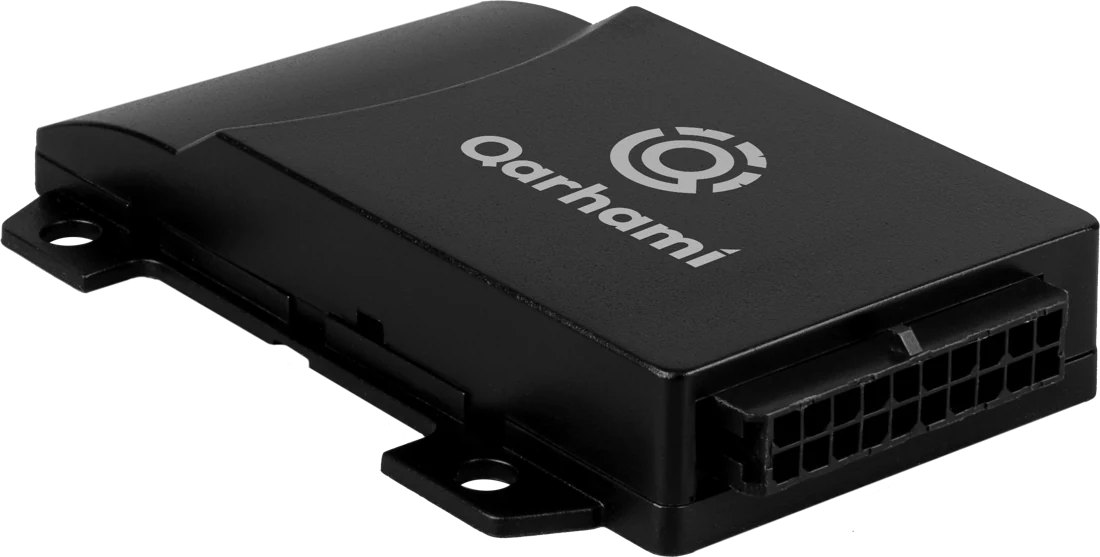
A report fills in the car's current mileage from the device, and the open issue stays on the card until it's resolved. Log the completed work with its date, mileage, cost and receipt, then choose the next reminder: after a number of miles, on a date, or whichever comes first. The history keeps a running total cost per vehicle.
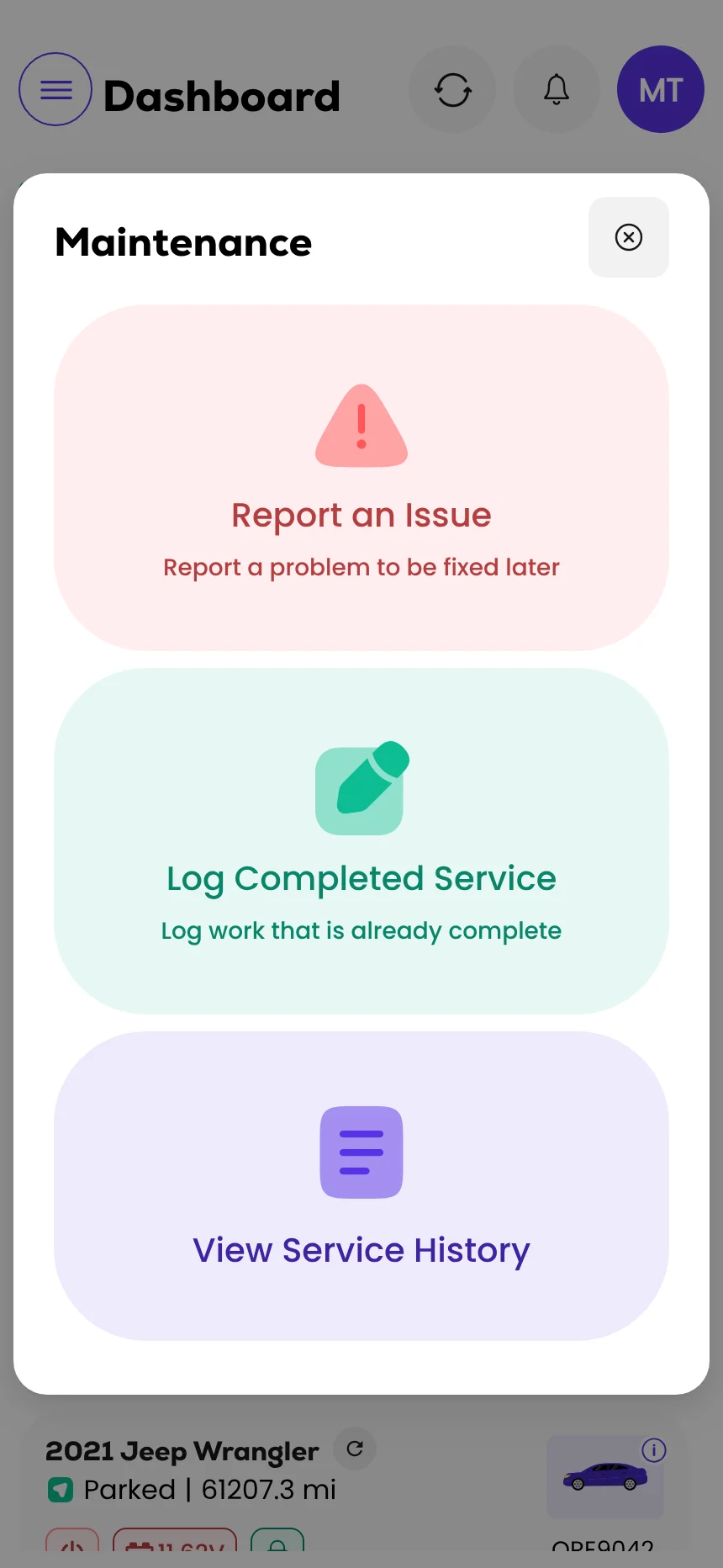
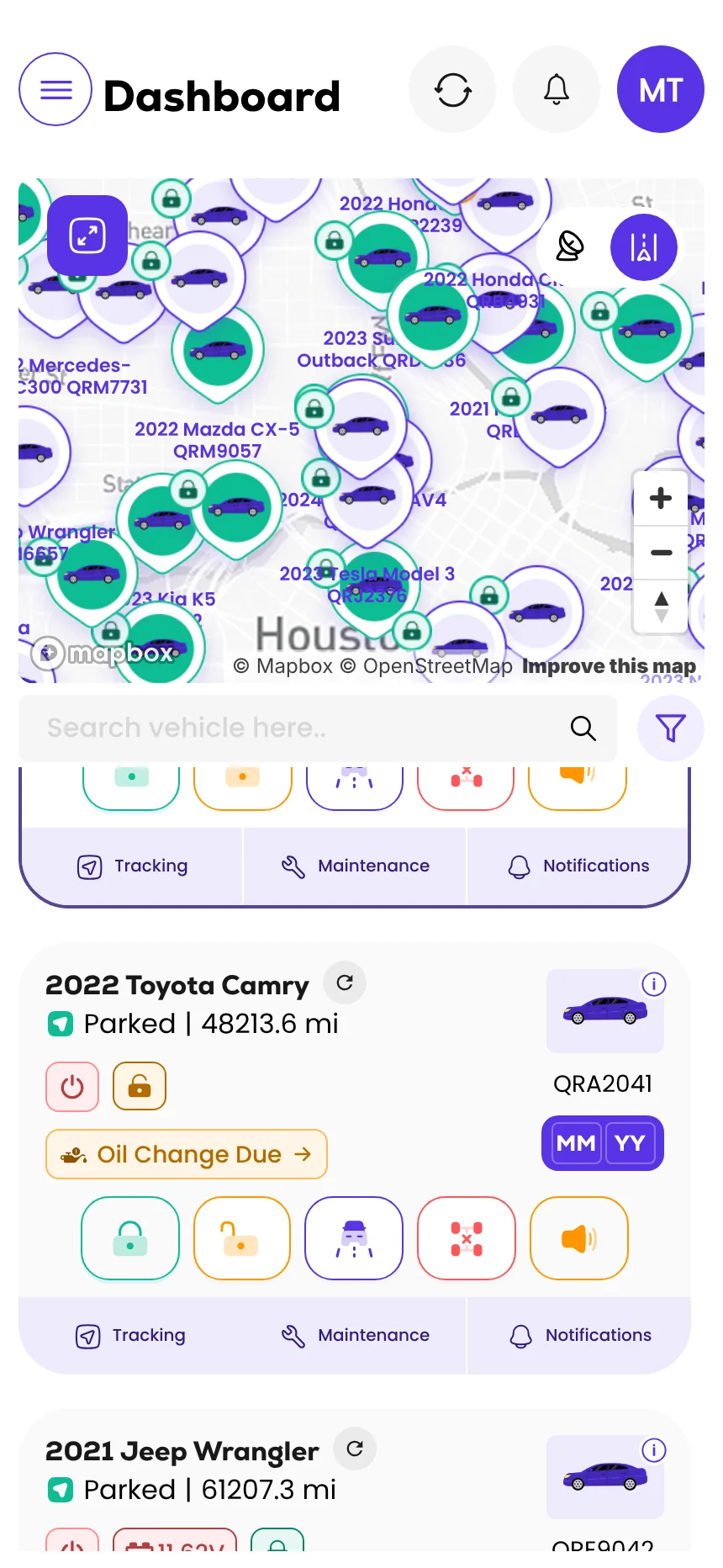
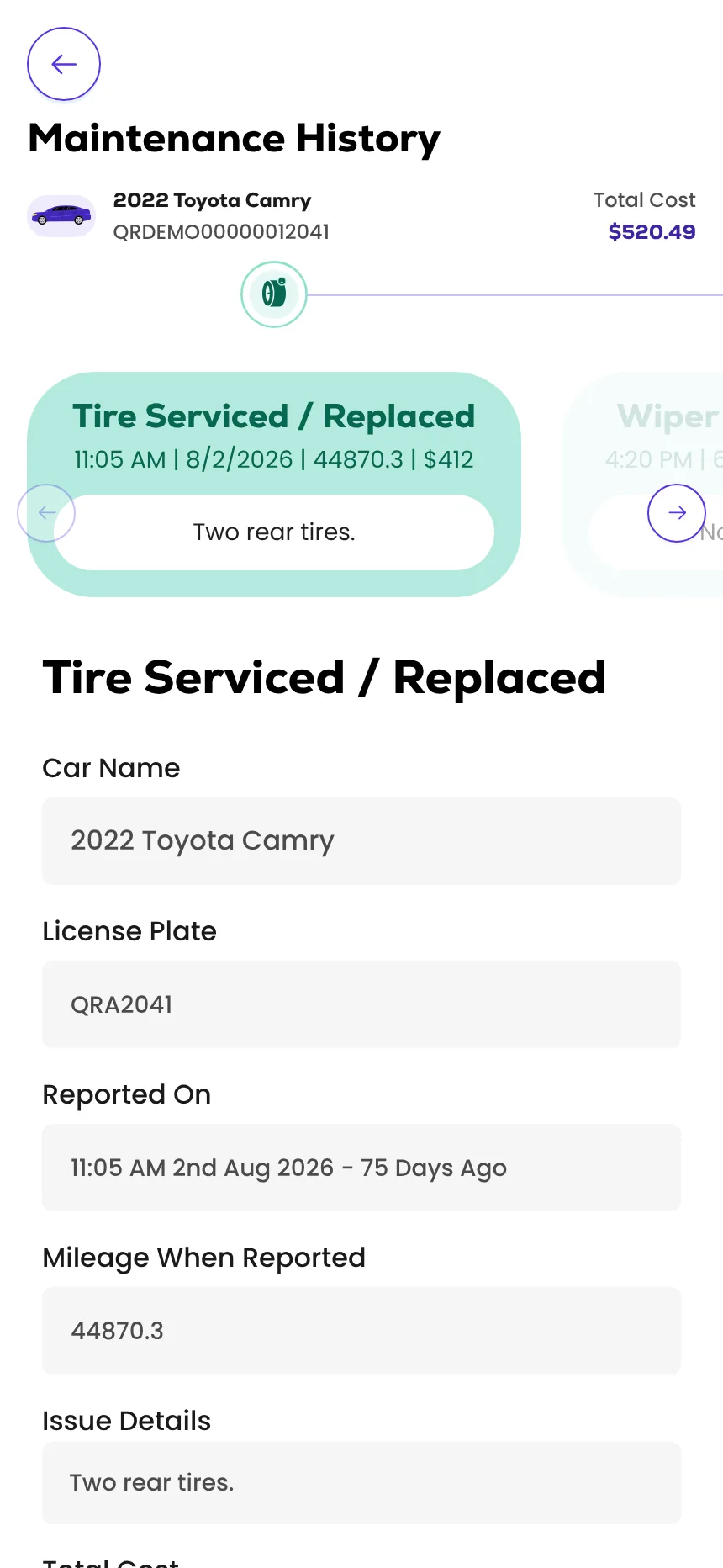
Screens from the Qarhami app running on demo data. Vehicles, guests and plates are fictional.
What changed since the last review?
- First published.
Frequently asked questions
How often should a rental car be serviced?
By mileage rather than by the calendar. A car with 200 included miles a day can reach a 5,000-mile oil change interval in under a month of steady bookings. Follow the intervals in the owner's manual and track them against the odometer.
What should I check between every rental?
Tire pressure and visible tire damage, fluid levels, all exterior lights, any dashboard warning lamps, and the wiper blades. It takes about five minutes and catches most of what strands a guest.
When should rental car tires be replaced?
Most US states set the legal minimum tread depth at 2/32 of an inch. Many operators replace at 4/32, because wet grip falls off well before the legal limit and a rental car can't wait for a convenient moment.
What maintenance records should I keep?
For each job: the date, the odometer reading, what was done, what it cost and the receipt or a photo of it. Keep them per vehicle. They support claims, answer guest disputes and help at resale.
Do I need to follow the manufacturer's service schedule?
Yes, treat it as the baseline. The intervals in the owner's manual are set for that engine and that oil. Rental use is often the severe-service case in the manual, which means shorter intervals.
How do I keep track of maintenance across several cars?
Tie every record to a vehicle and to its mileage on the day, and set the next reminder at the moment you log the work. Whether that lives in a spreadsheet or in fleet software matters less than doing it every time.
What should you do this week?
- Do the five-minute check on every car before its next trip.
- Find each car's owner's manual and note its oil and rotation intervals.
- Write down today's odometer reading for every car.
- Gather loose receipts and attach each one to a dated record.
- Set the next reminder for every car, in miles.
Sources
- NHTSA: Tires · tread depth and tire safety · read 13 Nov 2026
- Turo: Setting distance limits · updated 29 Jun 2026 · minimum daily distance

Rental Operator Circle editorial. Rental Operator Circle is the operator-led publication for Turo hosts and private rental operators, powered by Qarhami. Policy guides are checked against the platform's own pages, dated, and reviewed by a working operator before they publish.
This guide explains platform policy. It is not legal advice. Spotted something out of date? Tell us at support@qarhami.com and we'll re-check it.